

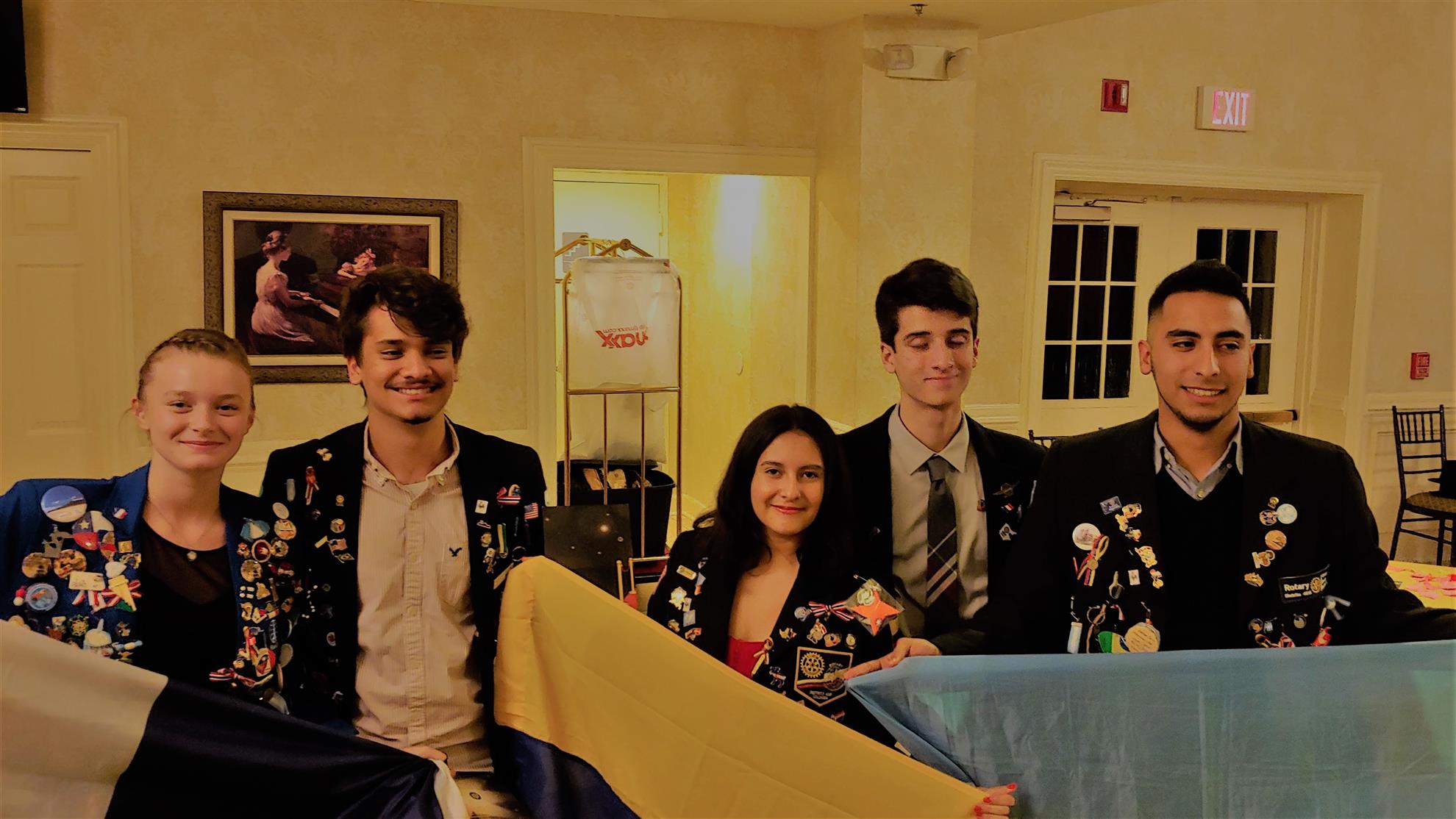
Exchange Students 2018-19
Kim Heunemann
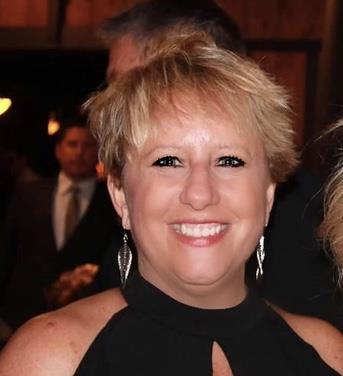
Welcome to the Glens Falls Rotary! We are so delighted that you have found us. The people of Rotary are active, helpful, compassionate and fun.
We celebrated our 100th Anniversary as a Rotary Club on October 1, 2022, with an event in downtown Glens Falls. A day of pride for all Rotarians.
All of our Glens Falls Rotary Club members work to represent the highest ideals through its service-oriented programs both at home and abroad. Our club meets on the first and third Thursday at twelve noon, at the Queensbury Hotel, 88 Ridge Street in downtown Glens Falls, and offers our members and guests the high level of community engagement.
Our club is incredibly active in community service in our local communities as well as projects around the globe.
We have been active for many years in the Youth Exchange Program in which we host incoming high school students from foreign lands and sponsor outbound students from our area who represent our club and district via residence in countries around the globe. Visit our Youth Exchange area here in our site to learn more about the students we are sponsoring this year. Also, we provide a Community Service Scholarship to be given annually to deserving senior graduates in the communities of Glens Falls and Queensbury. To learn more or to apply, go to the Scholarships page in the Our Projects area. We have run the “Warm the Children” program for over 31 years. Warm the Children is a cooperative effort of The Post-Star, the Salvation Army and The Rotary Club of Glens Falls providing new winter clothing for the children of less fortunate families. 100% of all donations are used to purchase new clothing. There are no administrative fees. Further ,we run an annual 5k which supports non-profits in our area – each year we strive to make this a fun, engaging community event. Please vsit our Our Projects pages to find information and sources of help to learn more.
We are also very proud of the work that is being done by our members to help save children’s lives in developing countries. In the past several years, our club has raised over $200,000 and invested also with human resources to assist the people of Honduras and Haiti bring clean water to the families of these countries. If you would like to help or seek more information on this humanitarian effort, please visit our Our Projects section to learn more.
To join your own energy with the goodwill of the 1.4 million Rotary members around the globe, join the club, lend a hand on one of our service projects, or donate to one of the causes we support.
Thank you for being here and learning more about the Glens Falls Rotary!
Warmest regards,
Kim Heunemann
President
Glens Falls Rotary
2023-24
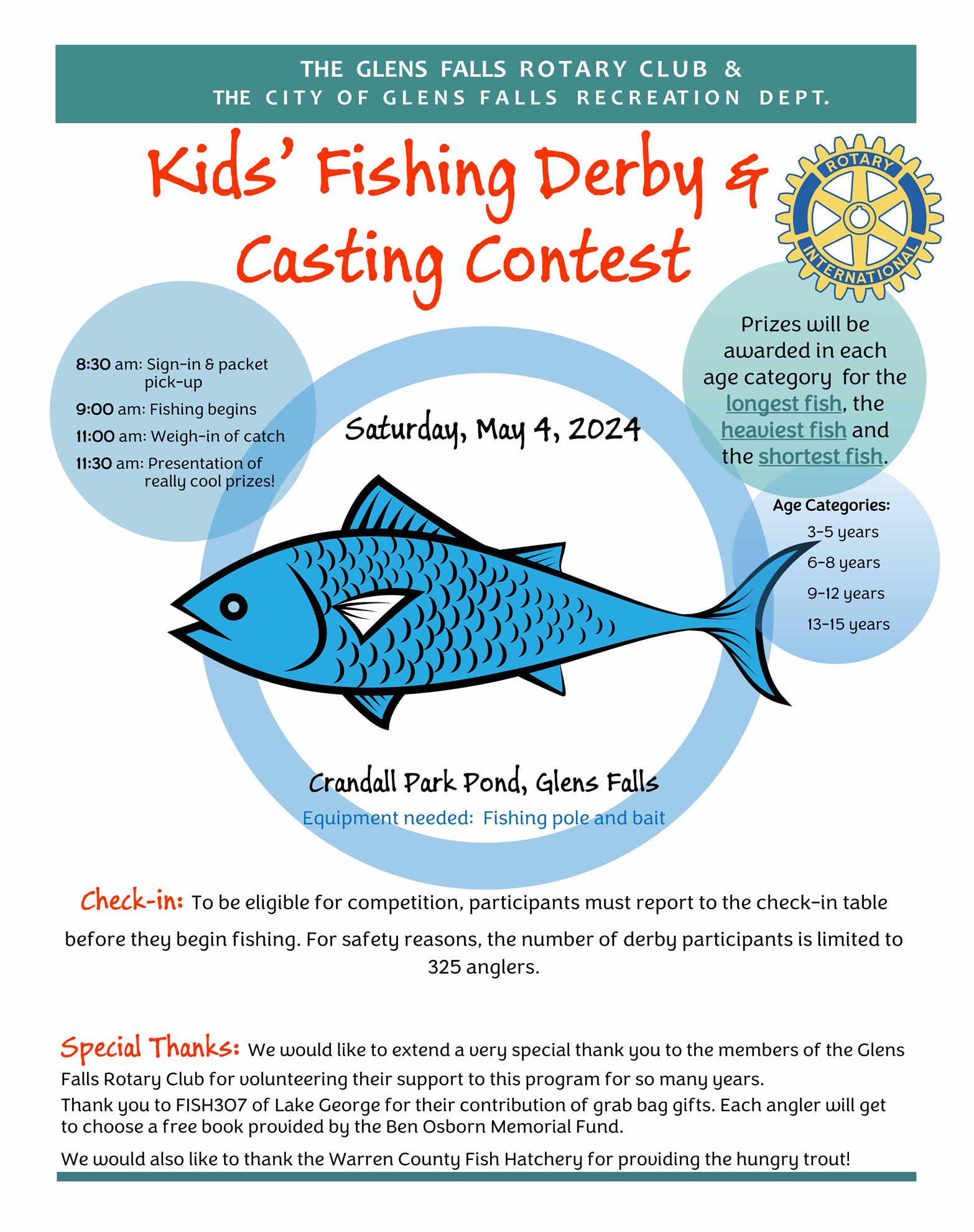
Special Notice!
Effective April 1, 2024, we have suspended filing applications for charitable funding from the Glens Falls Rotary Foundation, Inc. We apologize for any inconvenience. Please revisit us to apply after July 1, 2024.
Thank you for reaching out to us for support! Should you have any questions please contact us at the “About Us” tab on our home page of the club website or on Facebook at Rotary Club of Glens Falls.
.jpg)
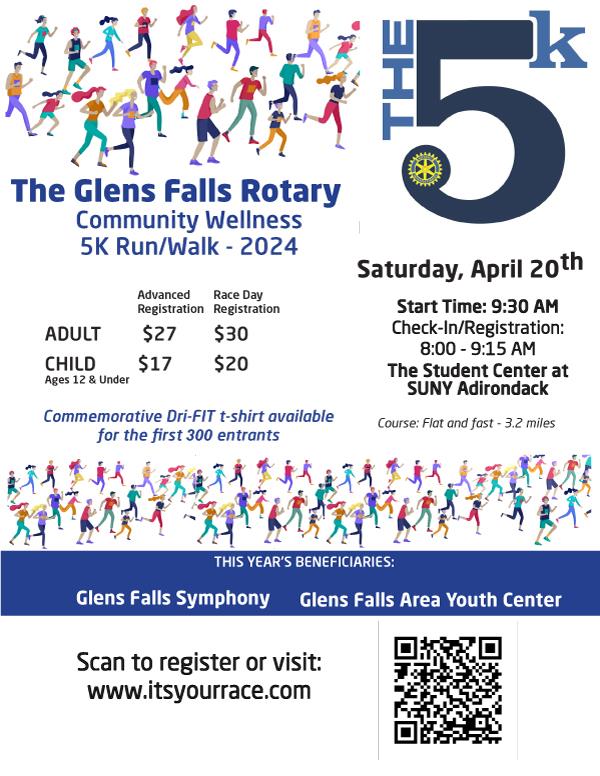
The Glens Falls Rotary Community Wellness 5K is a run/walk held each year to benefit local charities designated by the members of the Glens Falls Rotary Club. This year’s race will be held on Saturday, April 20th, 2024, at 9:30am at SUNY Adirondack. There is plenty of parking on campus. Race Day Packet pickup check-in and registration will be at the SUNY Adirondack Student Center from 8-9:15 am.
For additional race information or to enter yourself or teams click here.
Please come join us for a wonderful morning wellness event and support the Glens Falls Symphony and the Glens Falls Youth Center!
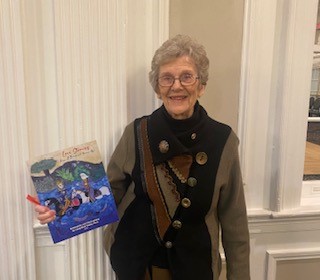 The Glens Falls Rotary collaborates with local school and SUNY Adirondack. Come find out about the “Love Stories from a Thousand Years Ago” book.
The Glens Falls Rotary club will acquire copies of, “Love Stories From A Thousand Years Ago”, a book published by Jacqueline Touba, PhD, a revered member of The Rotary Club of Glens Falls. Dr. Touba’s writing is a literary journey and collection of Persian miniature paintings that reside in museums and libraries around the world. The book will be shared with area high schools and SUNY Adirondack as an opportunity for the students and their teachers to learn more about Persian culture.
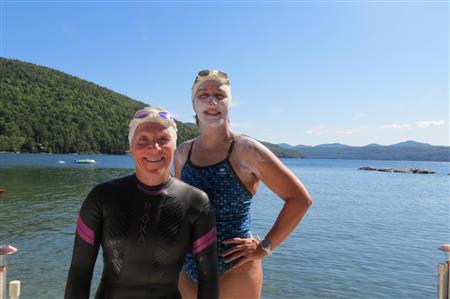
On July 30, 2018, at 6am, 2 women began a swim to cover the entire length of Lake George to bring awareness and raise funds about Polio. They started their swim at Million Dollar Beach with a goal to end at Diane's Rock at 6am on Tuesday morning (24 hours of swimming).
· 32 miles
· 24 hours
· 2 swimmers
This was HUGE! To learn more or donate please click this link http://bit.ly/SwimToEndPolio.
.png)










-
Glens Falls Rotary Community Wellness 5K Run/Walk
SUNY AdirondackApr 20, 2024 9:30 AM
President
President Elect
Treasurer
Secretary
Club Historian
Director
Rep for Past Presidents
GF Rotary Club Foundation
Program Chair
GF Rotary Club Foundation
GF Rotary Club Foundation
Director
Immediate Past President
Director
Director
Club Administration
Service Chair
The Rotary Foundation
Executive Secretary/Director
We also meet every third Thursday at 8:00 am at Spot Coffee on 221 Glen Street, Glens Falls, NY. Stop by and enjoy a bagel, coffee, and some early morning fellowship with us.
Glens Falls, NY 12801
United States of America